Ethical Considerations in AI Development: A Practical Framework
A practical guide to addressing ethical concerns throughout the AI development lifecycle to build responsible and trustworthy systems.

As AI systems become more prevalent and powerful, the ethical implications of their development and deployment have moved from academic discussion to business imperative. Organizations must proactively address ethical considerations to build trustworthy AI systems and avoid potential harm to users and society.
Core Ethical Principles
Responsible AI development is built on fundamental ethical principles that should guide decision-making throughout the development lifecycle. These principles provide a framework for evaluating the potential impact of AI systems.
- Fairness: Ensuring AI systems don't discriminate or perpetuate bias
- Transparency: Making AI decision-making processes understandable
- Accountability: Establishing clear responsibility for AI system outcomes
- Privacy: Protecting individual data rights and personal information
- Human Agency: Maintaining meaningful human control over AI systems
Identifying and Mitigating Bias
Algorithmic bias can emerge from training data, model design choices, or deployment contexts. Bias can perpetuate or amplify existing societal inequalities, making it crucial to implement systematic approaches for detection and mitigation.
Regular bias audits, diverse development teams, and inclusive design practices are essential for building fair AI systems. Organizations should also consider the broader social context in which their AI systems will operate.
The question isn't whether AI will be biased, but whether we'll be intentional about addressing that bias.
Implementing Ethical AI Governance
Effective AI governance requires organizational structures, processes, and tools that embed ethical considerations into everyday development practices. This includes ethics review boards, impact assessments, and ongoing monitoring systems.
- Establish AI ethics committees with diverse representation
- Develop ethical impact assessment frameworks
- Create clear escalation procedures for ethical concerns
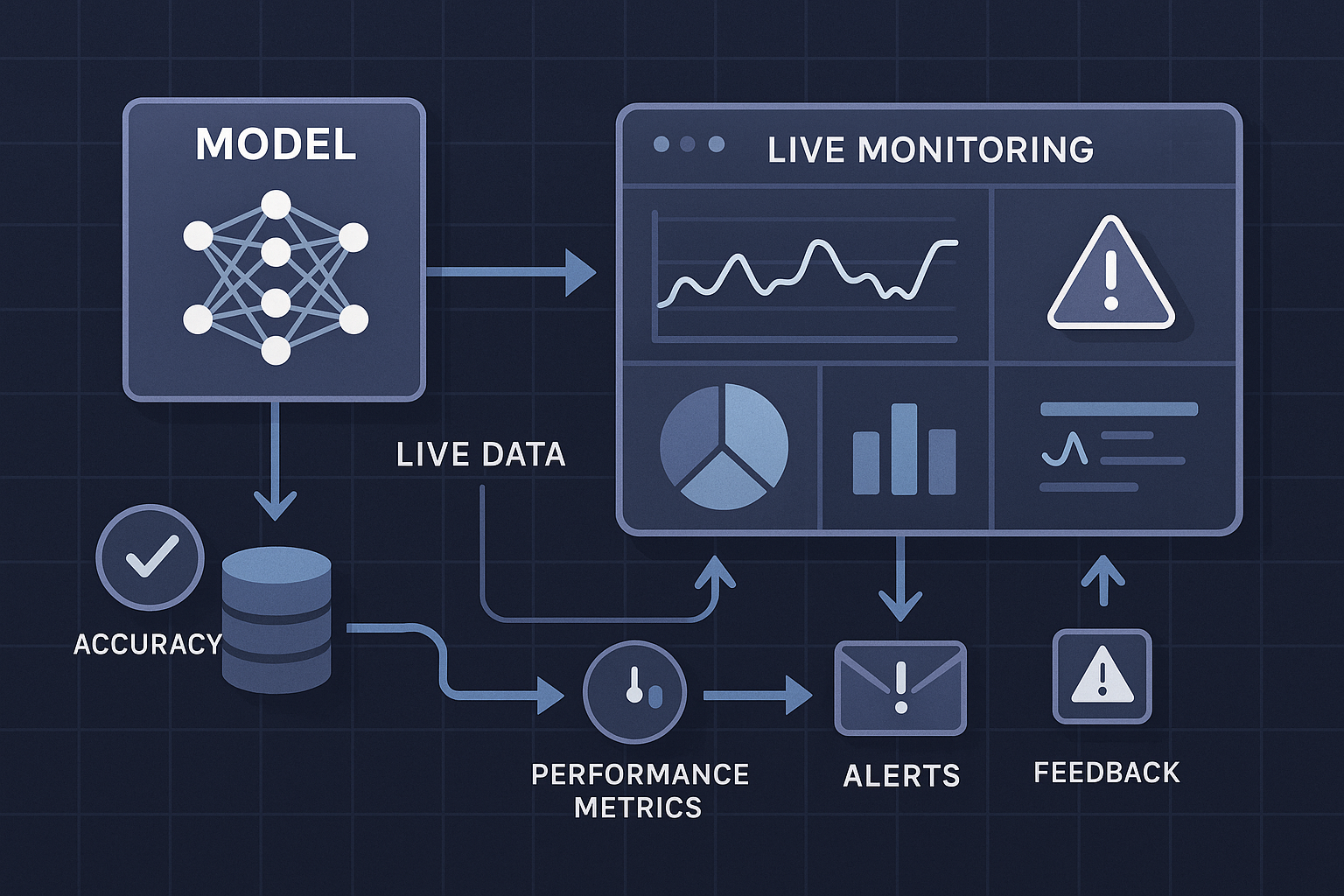
- Implement continuous monitoring for bias and fairness
- Provide ethics training for AI development teams
Building Trust Through Transparency
Transparency in AI systems involves making the decision-making process understandable to stakeholders, including users, regulators, and affected communities. This doesn't necessarily mean revealing proprietary algorithms, but rather explaining how systems work and what factors influence their decisions.
Documentation, explainable AI techniques, and clear communication about system limitations are all important components of transparent AI development.
By embedding ethical considerations into AI development from the outset, organizations can build systems that not only perform well technically but also contribute positively to society and maintain public trust.
Put this into practice
Get a free AI audit for your business
A 30-minute call with an engineer to find the first automation worth building.